
The rise of revenue-led F&B: how to enhance every guest touchpoint with mobile ordering
As hoteliers navigate a landscape defined by rising costs, labour constraints, and slowing ADR growth, the industry is turning its attention to F&B - not as a complementary service, but as a powerful revenue driver.
For years, hotel F&B has lived in the shadow of rooms revenue -viewed as an amenity or a brand enhancer, but rarely taking centre stage in commercial strategy. But this mindset is rapidly changing.
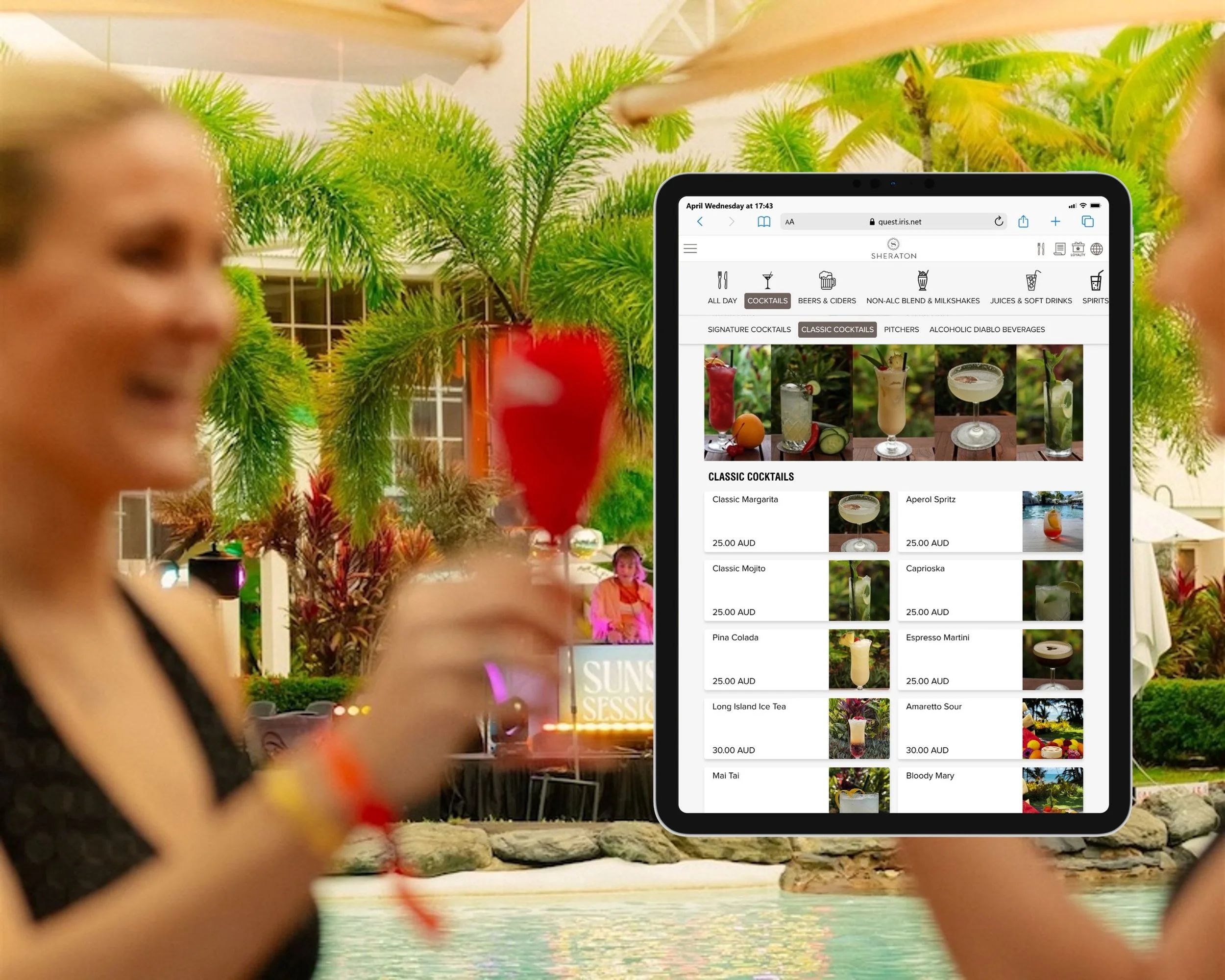
At IRIS, we’re seeing this shift play out globally. Hotels are recognising that every guest interaction is an opportunity to drive both satisfaction and F&B spend - from coffees in the lobby and poolside cocktails, to lunch on the terrace and late-night room service.
Yet many of these moments remain under-optimised, often due to operational friction or outdated service models.
So, what are the most effective ways to increase F&B performance without adding any extra burden to your teams?
Reducing friction, unlocking guest spend
One of the biggest barriers to F&B revenue is friction. Long wait times, limited service coverage, busy staff, or unclear menus can all deter guests from ordering altogether. Every abandoned order is lost revenue and, in many cases, it’s entirely avoidable.
Today’s guests are accustomed to seamless, on-demand experiences in almost every aspect of their lives. Whether ordering food, booking a taxi, or shopping online, convenience is no longer a differentiator, it’s an expectation. Hospitality is now catching up.
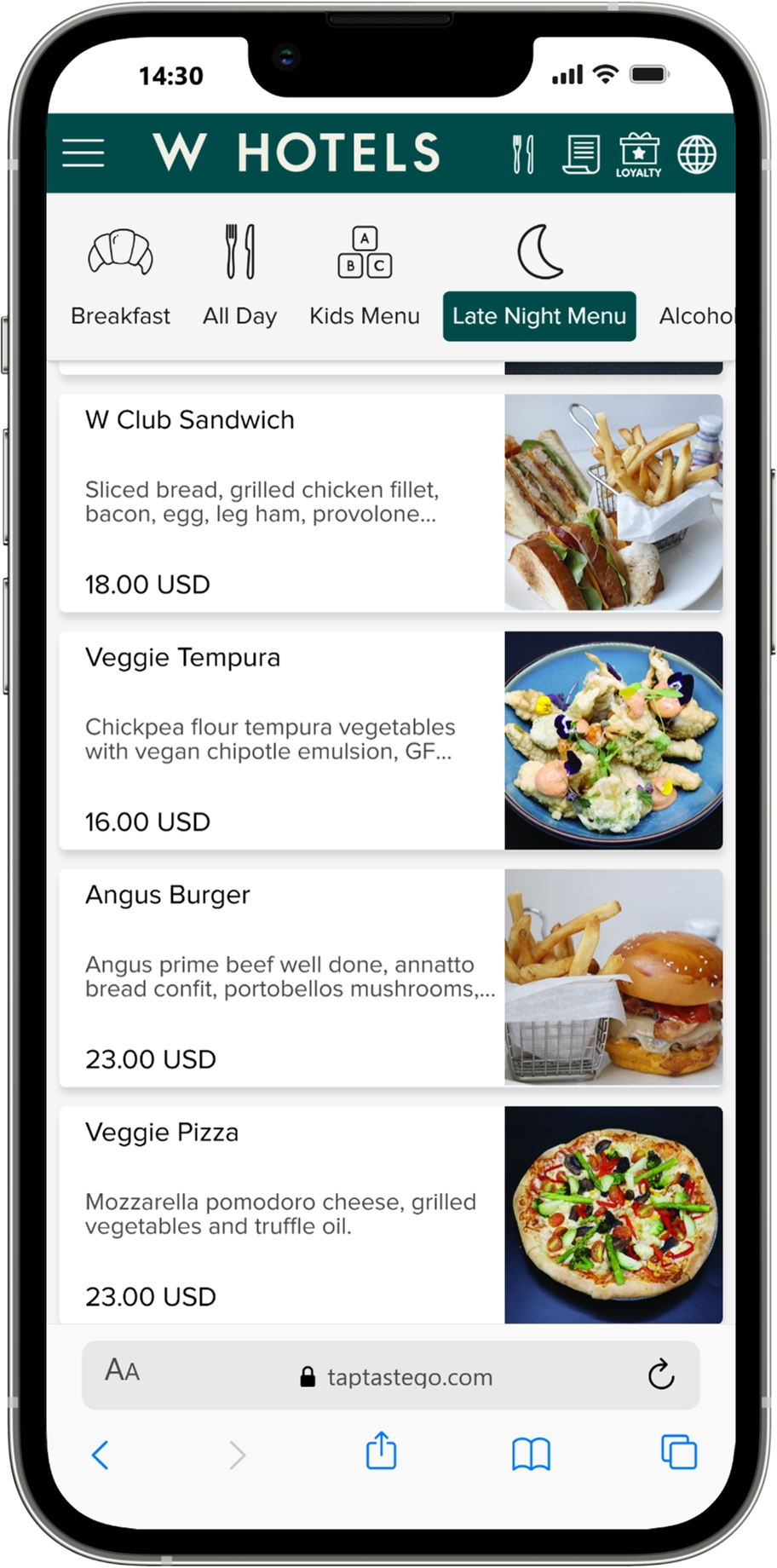
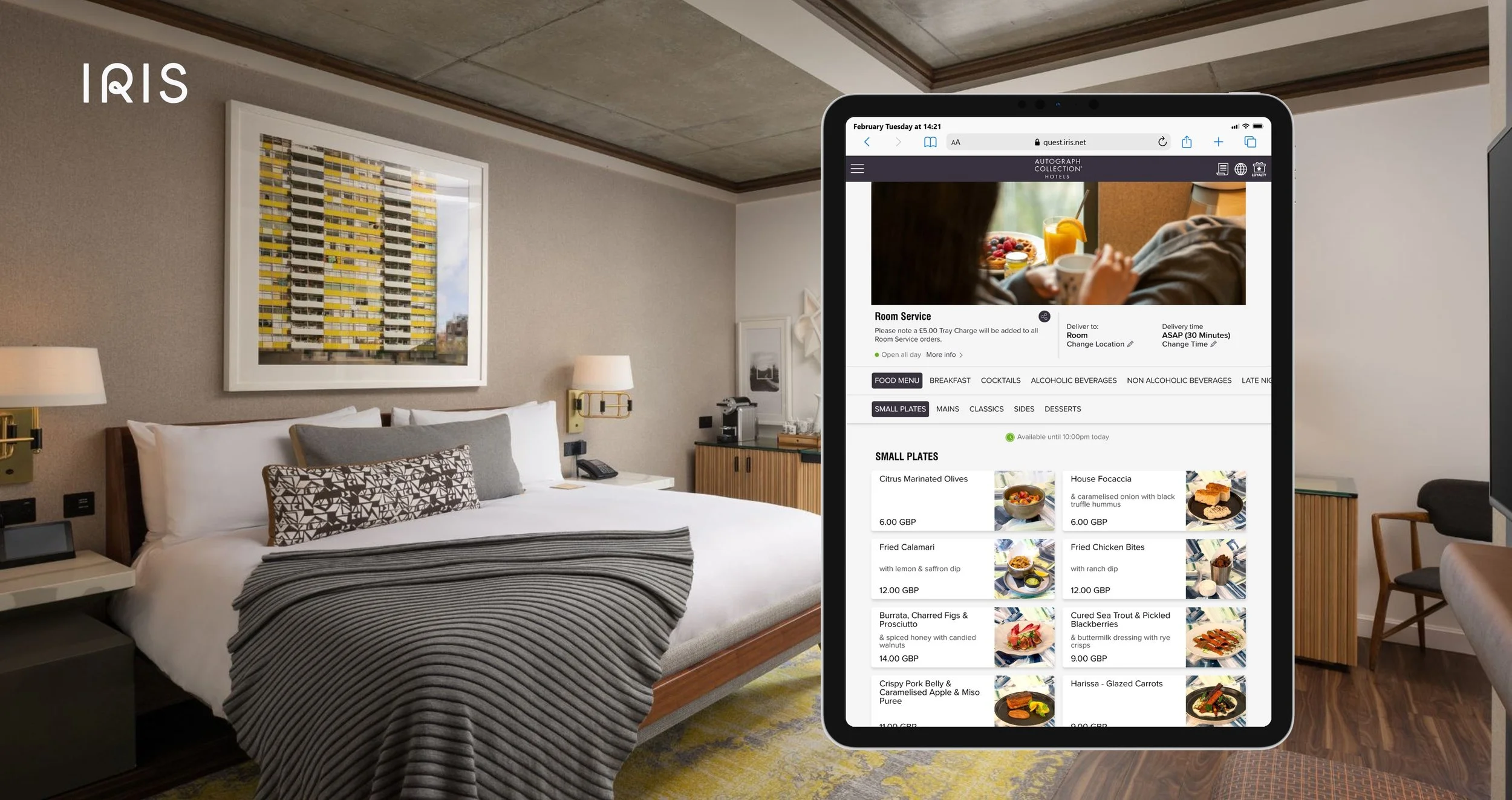
Mobile ordering has emerged as a powerful solution to this challenge, transforming the way guests interact with F&B services. By enabling guests to browse menus, customise orders, and pay directly from their own device, hotels can remove many of the traditional pain points associated with ordering.
The results are compelling. Across IRIS-powered properties, we consistently see a significant uplift in both order volume and average transaction value (30%+) following the introduction of mobile ordering.
When guests can order anytime, anywhere, without waiting or needing staff intervention, they are far more likely to engage.
Turning menus into revenue tools
Digital ordering does more than streamline the process, it fundamentally changes how menus function.
In a traditional setting, menus are static. In a digital environment, they become dynamic, responsive, and revenue-generating.
Features such as high-quality imagery, dietary filters, and multi-language support help guests make faster, more confident decisions.
Additionally, we’ve seen firsthand how promotions and intelligent upsells, such as suggesting a drink pairing or highlighting a popular add-on, can deliver meaningful increases in guest spend. These are incremental gains that add up quickly, particularly across high-volume environments.
Supporting leaner teams
In today’s labour market, operational efficiency is just as critical as revenue growth.
Mobile ordering enables hotels to do more with less by guests to self-serve. Orders are placed accurately, sent directly to the kitchen via POS integration, and fulfilled with greater speed and consistency.
This not only reduces the risk of errors and delays but also alleviates pressure on front-of-house teams. Crucially, it allows staff to focus on delivering higher-value, personalised service.
At IRIS, we view this as a win-win: improved operational performance alongside enhanced guest experience.
Unlocking the entire property
In many hotels, large areas of the property - such as pool decks, spas, lobbies, and meeting spaces - remain underutilised from a revenue perspective. These spaces often lack dedicated staff or operate with inconsistent service, limiting their commercial potential.
Mobile ordering changes this dynamic entirely.
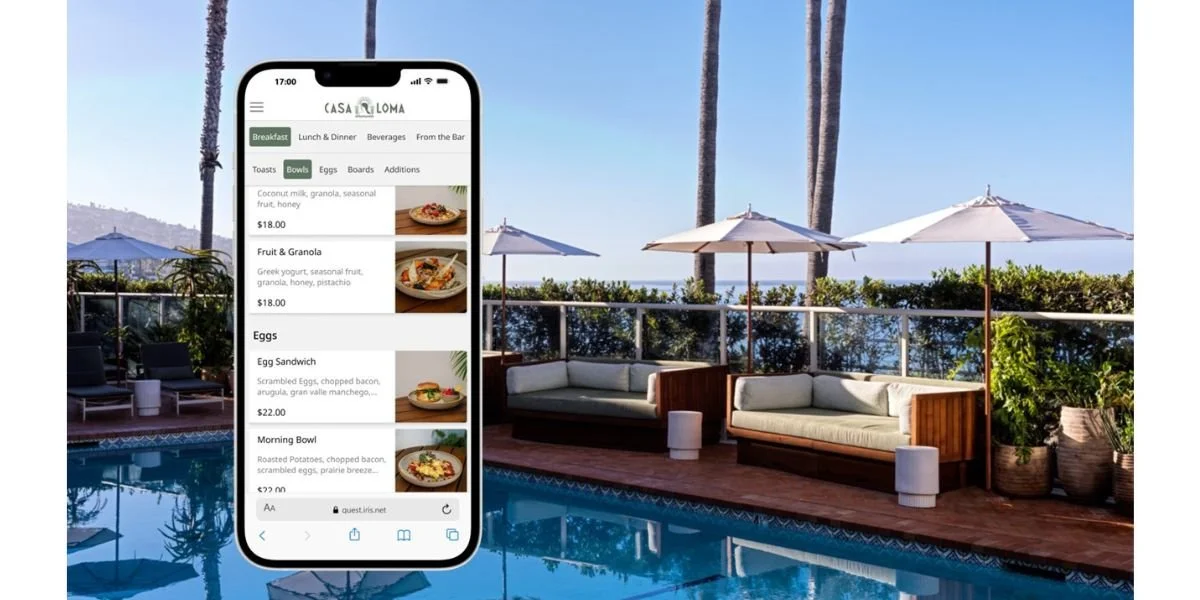
By enabling guests to order from anywhere on the property, hotels can effectively turn every space into a revenue-generating zone. A guest relaxing by the pool, attending a conference, or working in the lobby can all access the same seamless ordering experience, without the need for additional staffing.
This not only drives incremental revenue but also enhances the overall guest experience, creating a sense of ease and continuity throughout the stay.
A new strategic mindset
Hoteliers must move away from viewing F&B as a support function and start recognising it as a strategic driver of growth. This means rethinking menus, service models, and guest journeys through a commercial lens, while still maintaining the core principles of hospitality.
The good news is that deployment does not need to be complex. Many properties begin with a single outlet (such as room service or tableside ordering) and expand from there as they see results.
Looking ahead
As the industry continues to evolve, the role of F&B will only become more central to overall performance.
Hotels that succeed will be those that recognise the value of every guest touchpoint and invest in making each one as seamless and compelling as possible.
At IRIS, we believe the future of F&B lies in empowering both guests and operators - combining intuitive technology with thoughtful service design to unlock new levels of efficiency, satisfaction, and profitability.
Because ultimately, when you make it easy for guests to engage, they do more than just order.
They spend.
This article first appeared in The Hotel Magazine.
To learn more about IRIS or arrange a free consultation, please visit iris.net/demo
Learn how to boost your F&B revenue with our free guide.
Book a customised Demo to see what's possible for your hotel.
