
As we move further into 2026, the hospitality landscape continues to evolve at pace. Guest expectations are higher and the role of technology in delivering effortless, memorable stays becomes more essential every year.
To set the tone for the year ahead, IRIS, the global provider of mobile F&B and guest experience platforms for the hospitality sector, doubles down on what works - and how to cast aside the more laborious, unproductive elements of hospitality - with their key Ins and Outs for 2026:-
✅ INS for 2026
1. AI everywhere
From predictive recommendations to dynamic personalisation, AI is unquestionably shaping the future. Hotels using AI-driven insights to optimise menus, predict demand, tailor upsells, and streamline communication will deliver smoother, smarter service.
In terms of the next phase of evolution, the focus will be on how to apply that data to qualify and enhance a more automated and equally personalised approach for the guest. For example, enabling blind customers to dictate an F&B order so that AI can the automatically process menu upsell recommendations.
From a predictive analytics perspective, applying weather data on the back end to influence menu suggestions and prompts is another active area. For instance, if a cold snap is forecast, the system can trigger rules that promote hot drink recommendations to help hotels maximise seasonal upsell opportunities.
2. Automation that frees your team
Goodbye admin headaches and manual uploads. Automation now powers order routing, smart notifications, menu updates, order modifications, and guest communications. Staff get to focus on human service; systems handle the rest.
3. Hyper-personalisation
Guests expect experiences that feel designed for them. Think:
Allergen & dietary filters
Multiple language options
Smart upsells based on existing cart items
Notes to the chef
The more you personalise, the more guests spend as the journey feels intuitive, welcoming, and relevant.
4. Powerful, direct integrations
The future belongs to connected hotels.
From PMS to POS to service and concierge tools, seamless integrations reduce friction, eliminate duplication, and empower teams with a single, accurate view of guest activity. Being platform agnostic (across a hotel group that have a variety of local POS) is a superpower in 2026.
5. Maximising F&B sales across your entire property
Why limit ordering to the restaurant or just for room service?
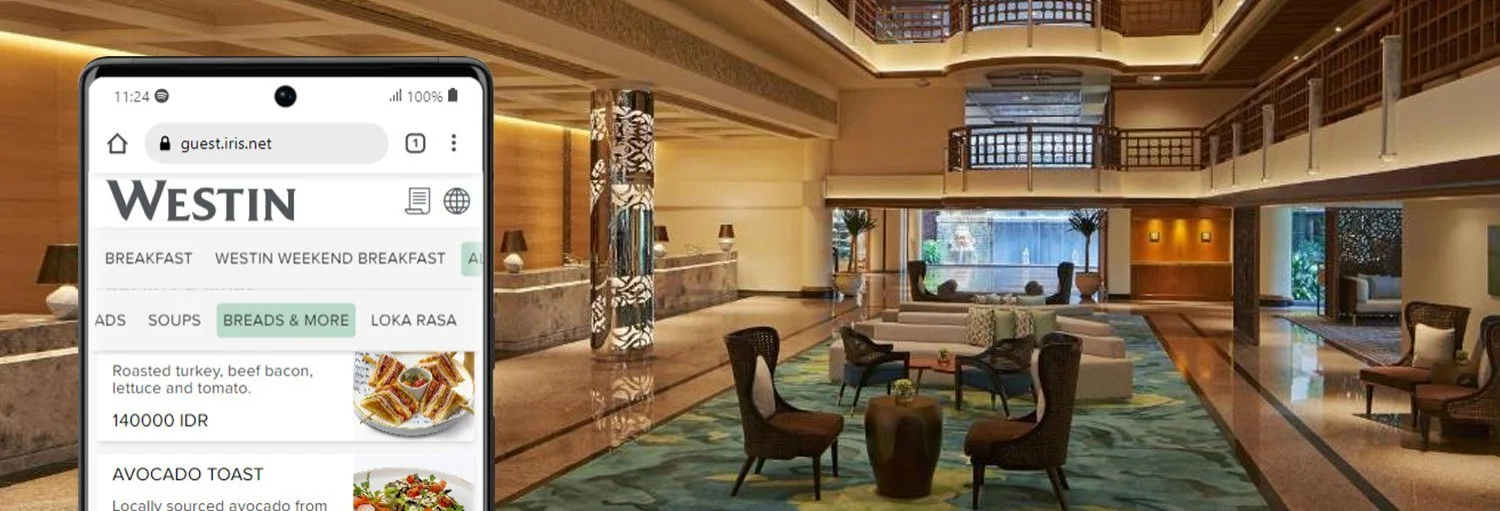
Pools, rooftops, beaches, lobbies, event spaces, spas - every corner of the property can become revenue-generating zones when supported by mobile ordering. Guests love the convenience, staff walk less, and hotels love the uplift.

6. Community as a growth engine
Hotels that open their doors to locals (through accessible F&B, easy ordering, QR-led menus, and events) tap into reliable, repeat business. Community dining is in; isolation is out.
7. Authenticity & experience over routine service
Stop treating F&B as an amenity and start thinking of it as a brand signature and revenue engine. In 2026, it’s all about:
Storytelling through menus,
Curated experiences,
Local flavours,
Experiential dining moments,
Memorable service touchpoints.
Hotels that lean into authenticity will win loyalty and sales - as well as competing with third party delivery companies.
8. Amenity & grocery ordering
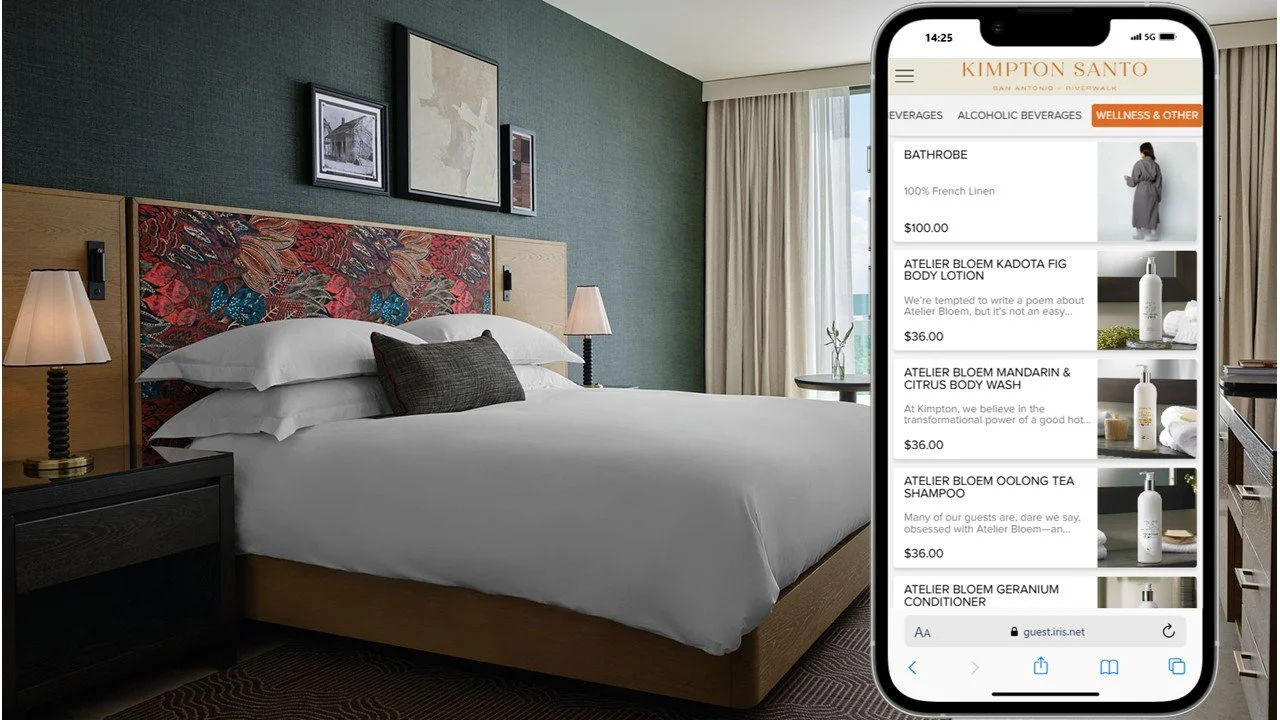
Why stop at food and drink? Guests increasingly expect to order (pre, during and even after their stay):
Toiletries,
Groceries,
Wellness products,
Baby essentials,
Gifts,
In-room extras.
Convenience sells (for both guests and non-residents) and this is low-effort, high-value revenue waiting to be unlocked.
❌ OUTS for 2026
1. Endless legwork for staff
No more waitstaff trekking across beaches or oversized pool decks in the heat just to take orders. Mobile ordering reduces back-and-forth, prevents errors, and reduces customer wait-times.
2. Duplication of work
Manually re-entering orders into POS and calling guests back to check modifiers and add-ons? Out. Integrated digital ordering and personalised orders? Very much in.
If a system creates “double handling” (and the menu doesn’t automatically sync with your POS) it’s officially outdated and increasingly leads to order inaccuracies.
3. Manual processes holding back productivity
Inventory updates, order routing, translations, notifications all should be automated. Anything that drains staff time without adding guest value is on the way out.
Real-time menu synchronisation is a key advantage, ensuring that guests always have access to the most up-to date offerings.
4. Relying solely on in-house guests
Hotels that depend only on in-house guests for F&B success limit their potential. 2026 demands diversified revenue streams including locals, walk-ins, co-working communities, and event attendees.
5. Thinking like a traditional hotel restaurant
Rigid menus, narrow concepts, slow service models - these relics don’t align with modern guest expectations.
Hospitality now mirrors global dining culture: fast, flexible, elevated, and guest-centric – check out what you popular eateries in your neighbourhood are providing.
6. Staring at screens instead of guests
The irony of digital transformation: it should give teams more human connection, not take it away.
2026 is about tech that works quietly in the background to free up staff to engage with guests for more meaningful interactions – and use the skills they were recruited for in the first place!
7. Limited room service menus
Gone are the days of bland club sandwiches and predictable Caesar salads. Guests want variety, creativity, dietary-conscious options, and menus that match today’s food culture.
Innovation isn’t optional - hotels that maximise sales are those that offer their normal restaurant menus and/or lots of variety on their digital menus.
8. Frustrating delays & long waits
Waiting on the phone.
Waiting for a menu.
Waiting for a staff member to take payment.
Waiting for answers to simple questions.
Guests are time-poor and more impatient than ever, and for good reason. Digital ordering empowers guests to order directly from their own devices (whenever the mood takes them!), enhancing convenience and flexibility while reducing reliance on staff.
Final thoughts: 2026 belongs to hotels that embrace evolution
The hospitality industry is stepping into an era defined by efficiency, personalisation, and guest empowerment. Mobile ordering and digital directories are no longer “nice to have”, they’re essential tools for elevating service, reducing operational strain, and unlocking new revenue.
2026 will favour hotels that build frictionless digital ecosystems, delight guests through personalisation, and create experiences that blend technology with authentic human hospitality.
Ready to make these INS a reality for your property? Get in touch with the team here to start your journey.

