

From clicks to conversion: Six UI design tweaks to boost spend and engagement from your hotel guest directory and F&B ordering platform
How the presentation of menus, services and information can influence guest engagement and spend
By Jobie Yip, UX/UI Designer at IRIS
Hotels have invested heavily in digital guest experiences. But simply putting a menu or guest directory online isn’t enough. Here, IRIS, the global market leader in digital F&B ordering and guest experience solutions for hotels, advises hotels how to make smart UX and content changes so their digital platforms are easier to use, more engaging and more revenue generating.
By optimising the presentation of menus, services and information online, hoteliers can make it easy for guests to discover, order and spend.
Jobie Yip, UX/UI Designer at IRIS highlights six design principles hotels can apply to turn a passive digital menu or guest directory into a more powerful commercial tool:
1. High-Impact Item Placement
On a mobile device, screen real estate is limited. Presenting an uncurated, alphabetical list creates cognitive overload and decision fatigue.
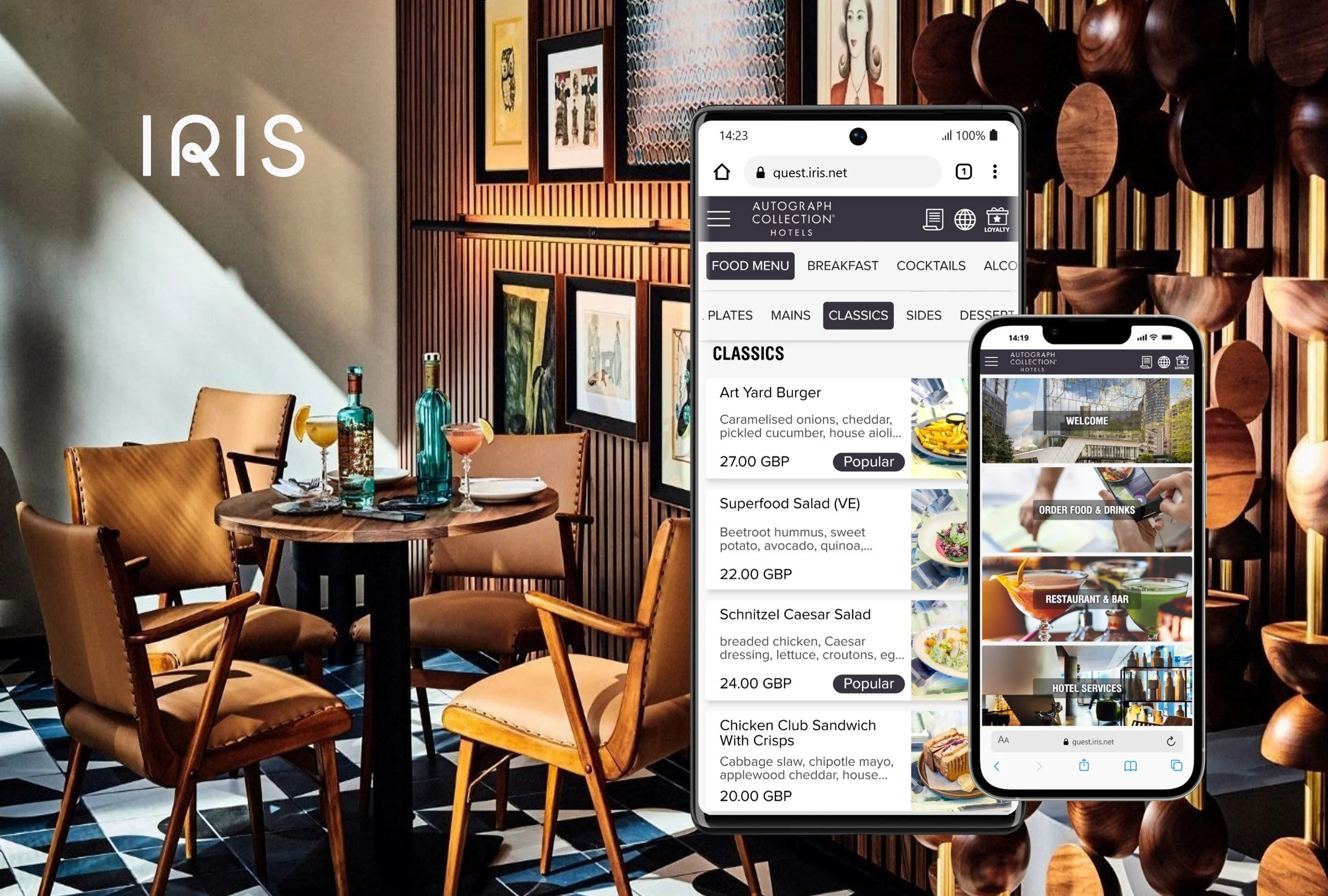
The Strategy: Position signature dishes, chef’s specials, and high-margin items in key visual focal points, such as a dedicated “Special Menu” section. Adding a “Popular” badge or label helps guests quickly spot recommended and up-sell items.
Think of your digital menu as valuable merchandising space rather than simply a long list of what's available.
2. Frictionless Dietary & Allergen Filters
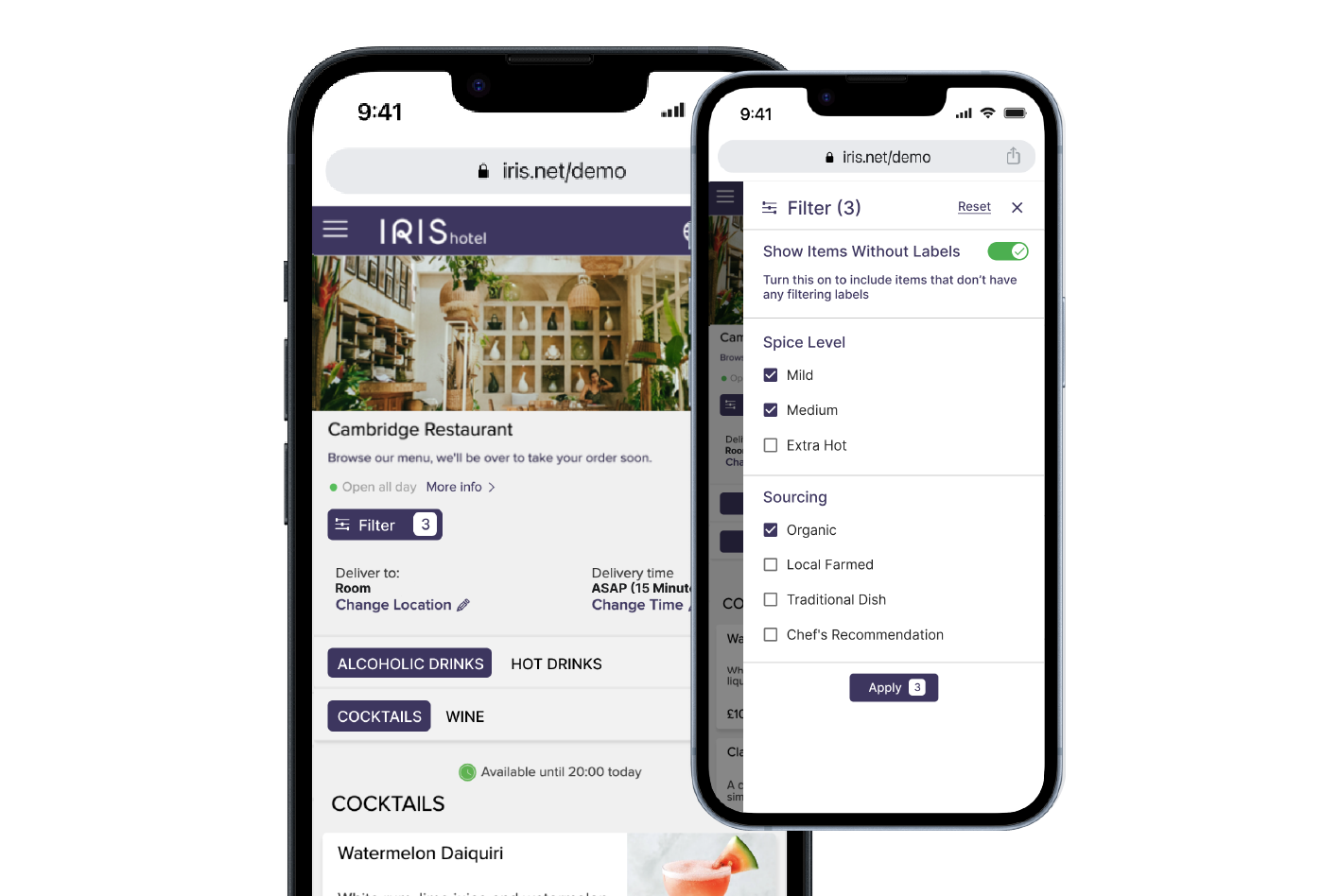
Dietary preferences (vegan, vegetarian, gluten-free, nut-free, halal) are no longer niche - they dictate dining decisions. If guests must read every item's micro-copy or contact room service to confirm ingredients, they are far more likely to abandon the order.
The Strategy: Configure detailed item attributes and enable side-panel filtering. This allows guests to instantly filter menu items based on their specific dietary preferences.
As a result, the ordering experience faster and more reassuring for the guest, while reducing routine questions for hotel teams.
3. Seamless Guest Directory Information
A fully customisable Guest Directory allows you to align the page with your hotel's branding, providing a seamless and intuitive user experience throughout the guest's stay.
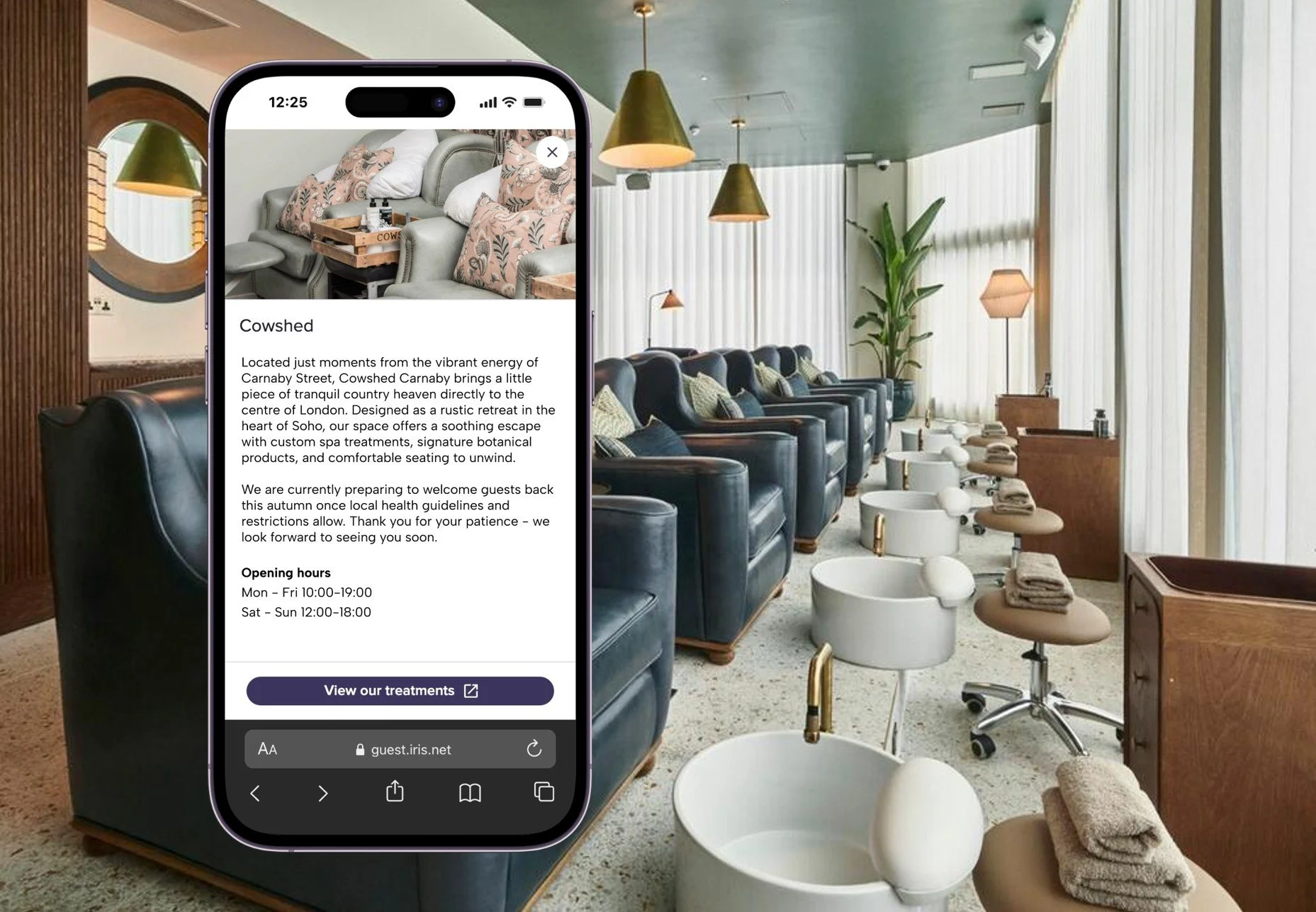
The Strategy: Enhance directory items with rich media and clear descriptions. Incorporate external links and embedded PDFs to consolidate essential hotel information into a single, comprehensive page.
The goal is to minimise the hunt for information and create one intuitive digital destination for the guest.
4. Strategic Colour System Application
Flexible app styling enables hotels to reflect their brand identity while maintaining high accessibility standards across the guest interface.
The Strategy: Verify the colour contrast of your brand palette against web accessibility standards. Aim for a contrast ratio of at least 7:1 to meet WCAG AAA enhanced contrast guidelines.
The result should feel unmistakably on-brand, while remaining effortless to navigate.
5. Mobile-First Visual Hierarchy & Performance
Desktop-optimised layouts or heavy, uncompressed image assets reduce mobile loading speeds and clutter the interface.
The Strategy: Apply visual accents intentionally, reserving large hero images for high-margin signature items (a signature cocktail, premium dish or special offer for example) rather than overloading the page.
In mobile UX, less is often more.
6. Clear, Sensory, and Transparent Descriptions
Ambiguity kills conversion. Vague dish titles or missing ingredient details create buyer hesitation.
Digital menus give hotels an opportunity to merchandise F&B far more effectively than a basic item name and price.
The Strategy: Craft concise, sensory descriptions that highlight key ingredients, flavour profiles, allergen notes, and transparent pricing. The same applies across the guest directory. A compelling description of a spa experience for example, gives guests a reason to explore further.
“For hotels, the digital guest journey has moved well beyond simply replacing a printed menu or directory with an online version.
Today, digital F&B ordering and guest experience platforms can influence what guests discover, what they order and how much they spend.
And sometimes, improving performance doesn’t require another major technology investment. Small changes to how existing platforms are configured can make a significant difference.”

Don't just digitise – optimise
For many properties, it's about getting more from the technology they already have.
Review the guest journey. Look at what appears first on a mobile screen. Examine whether descriptions actually inspire guests to buy.
Small tweaks can create a digital experience that is easier for guests to navigate, helps hotel teams work more efficiently and gives every service a better opportunity to be discovered – and purchased.
Find out more and schedule a free strategy call with the team: www.iris.net/demo.

Download our Digital Guest Directory eBook ‘Digital Guest Directories: Top 9 ways to win’ here.
Learn how to boost your F&B revenue with our free guide.
Book a customised Demo to see what's possible for your hotel.
