
GloriaFood is reportedly closing in 2027: what hotel F&B operators should do next
Several hospitality technology providers report that GloriaFood customers and partners have been informed that the online ordering platform will be retired by Oracle on 30 April 2027.
For hotels using GloriaFood to support room service, restaurant orders or other food and beverage services, April 2027 may appear to provide a generous transition period. In operational terms, however, it is not a reason to wait.
Replacing an F&B ordering platform can affect menus, integrations, payments, kitchen workflows, guest communications and staff training. A rushed migration risks inaccurate menus, broken ordering links and disruption at the point where guests expect speed and convenience.
The hotels best placed to manage this change will be those that begin planning early and treat the move as an opportunity to improve their wider F&B operation, rather than simply replacing one piece of software for another.
Why the GloriaFood closure matters to hotel F&B operations
GloriaFood has primarily been positioned as an online ordering solution for restaurants. However, some hotels and hospitality businesses have also used the platform to digitise elements of their F&B experience.
In a hotel environment, digital ordering is rarely limited to one restaurant or one collection point. It may need to support room service, poolside dining, bars, spas, cafés, lounges and multiple outlets across a single property. For hotel groups, the same platform may also need to work across different brands, locations, POS providers and operating models.
This makes the selection of a replacement platform more complex.
The immediate question may be “What can replace GloriaFood?” The more valuable question is, “What does our hotel need its ordering platform to achieve over the next five years?”
A simple ordering tool may restore basic functionality. A hotel-focused platform can help increase guest spend, extend service into more areas of the property, reduce pressure on teams and create a more consistent experience across every outlet.
Start with your operation, not a list of software providers
Before evaluating alternatives, hotels should document how GloriaFood is currently being used.
Which menus are live? Where can guests access them? Which outlets receive orders? How are payments handled? Are orders entered manually into the POS, or does information move between systems automatically? Which QR codes, web pages, emails and printed materials currently link to GloriaFood?
This review often reveals dependencies that are easy to overlook. A GloriaFood link may appear on the hotel website, inside a digital guest directory, on room collateral, across social media profiles or within pre-arrival communications. Leaving one outdated link in place after migration can create a frustrating dead end for guests and lost revenue for the hotel.
Hotels should also identify the limitations of their current setup. If teams have been working around disconnected menus, manual order entry, restricted reporting or an inability to support multiple locations or languages, those problems should not be transferred into the next platform.
Migration is the moment to fix them.
Protect your menus, settings and operational information
Industry articles discussing the reported closure consistently advise GloriaFood users to export and retain their information well before the platform is retired.
Hotels should preserve copies of menu items, descriptions, imagery, pricing, modifiers, allergen information, opening hours, delivery areas, service charges and promotional settings. Available order reports and historical performance information should also be downloaded where appropriate.
Any customer or transactional data must be handled in accordance with applicable privacy laws, internal data policies and the hotel’s contractual rights. Hotels should not assume that every piece of information held within an existing platform can automatically be transferred to a new provider.
It is also worth recording the full guest ordering journey. Screenshots of menus, checkout stages and confirmation messages can help teams identify what should be retained, improved or removed when the new experience is designed.
Look beyond basic online ordering
A replacement platform should not be chosen solely because it can display a menu and accept a payment.
Hotel F&B operations have very different requirements from those of a single-site takeaway or independent restaurant. Guests may need to order to a room, table, sunbed or collection point. Different menus may need to appear according to the guest’s location, the time of day or the outlet’s opening hours.
The platform may also need to manage breakfast pre-orders, high-volume poolside service, room charges, multilingual menus and real-time item availability.
Integration matters too. A disconnected platform can create more work by requiring teams to re-enter orders, update menus in several places and manually correct discrepancies. A platform that integrates effectively with the hotel’s POS, PMS and payment infrastructure can reduce duplication and provide a more reliable flow of information.
The objective should be straightforward: make ordering easier for the guest without creating additional work behind the scenes.
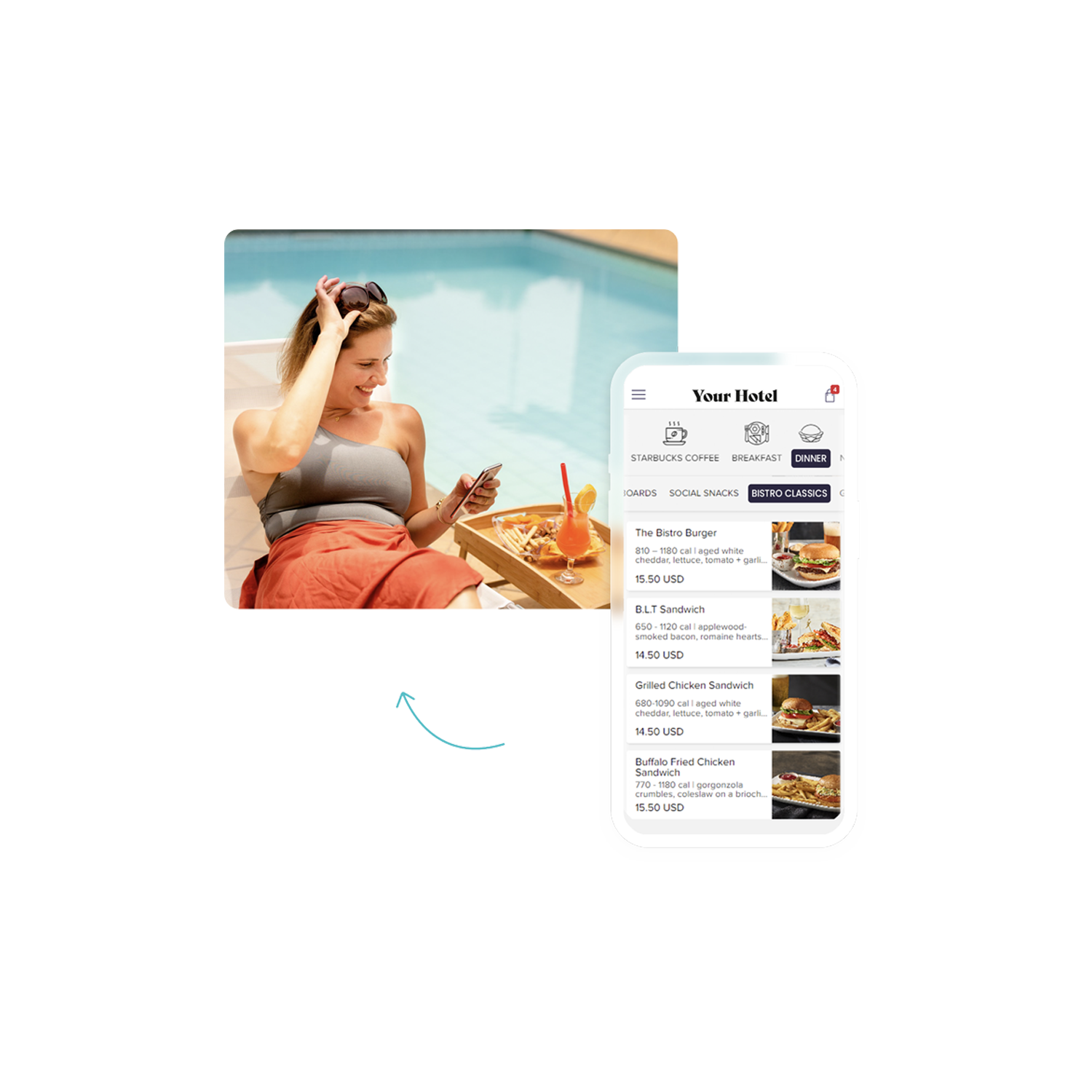
What should hotels look for in a GloriaFood alternative?
When assessing potential platforms, hotels should consider whether the solution can:
● Support room service, restaurants, bars, pools, spas and other ordering locations
● Manage multiple outlets and properties from a central platform
● Integrate with existing POS, PMS and payment systems
● Provide flexible menu management at brand, property and outlet level
● Control order volumes, time slots and service availability
● Support multilingual menus and location-specific experiences
● Enable relevant upselling, promotions and complementary recommendations
● Provide clear reporting on demand, guest behaviour and revenue performance
● Scale with the hotel’s future operational and commercial requirements
Plan a controlled migration
A successful migration should be completed well before the reported April 2027 closure date. Starting early gives teams enough time to test the new platform properly, resolve integration issues and avoid unnecessary disruption to guests or operations.
A structured migration plan should include:
● Defining operational, technical and commercial requirements
● Selecting a replacement platform that supports the hotel’s current and future needs
● Confirming POS, PMS, payment and other integration requirements
● Exporting and preparing menus, imagery, pricing and operational settings
● Configuring the new ordering journeys for each outlet and service location
● Testing orders across devices, locations, payment methods and service periods
● Training operational teams and assigning clear ownership
● Running the old and new platforms in parallel where practical
● Replacing all GloriaFood links, QR codes and guest-facing materials
● Monitoring performance closely after launch and resolving issues quickly
Testing should cover the entire guest journey, from accessing the menu to receiving an order confirmation. Teams should also check that each order reaches the correct outlet, kitchen or service area and that menu availability, modifiers and pricing are accurate.
Once the new platform is live, every digital and printed reference to GloriaFood should be updated. This includes the hotel website, guest communications, in-room collateral, restaurant signage, social channels and any existing QR codes. Clear ownership is essential to ensure no outdated links remain in circulation.
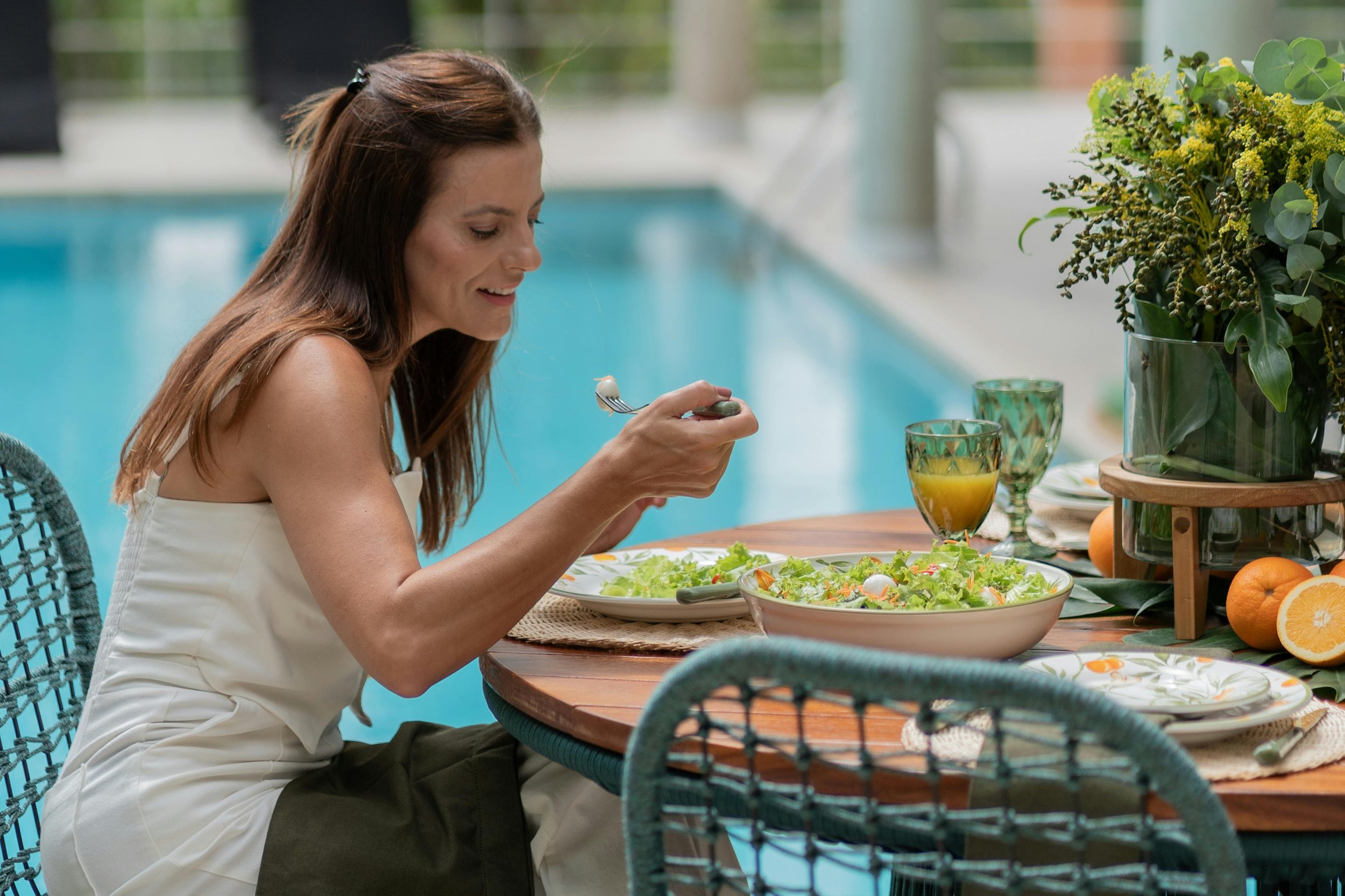
Turning a platform change into a commercial opportunity
A technology retirement is disruptive, but it can also prompt a valuable review of how guests access hotel F&B.
Mobile ordering gives guests the freedom to browse, order and pay from their own device without downloading an app. When deployed across the property, it can make service available in areas that may not have permanent staff coverage, such as the pool, lobby, beach or spa.
It can also allow hotel teams to spend less time taking orders manually and more time delivering meaningful hospitality. Orders can be sent directly into operational systems, reducing delays and opportunities for error.
For hotel groups, a unified platform creates further benefits. Brand standards, content and integrations can be managed more consistently while individual properties retain the flexibility required for their local operation.
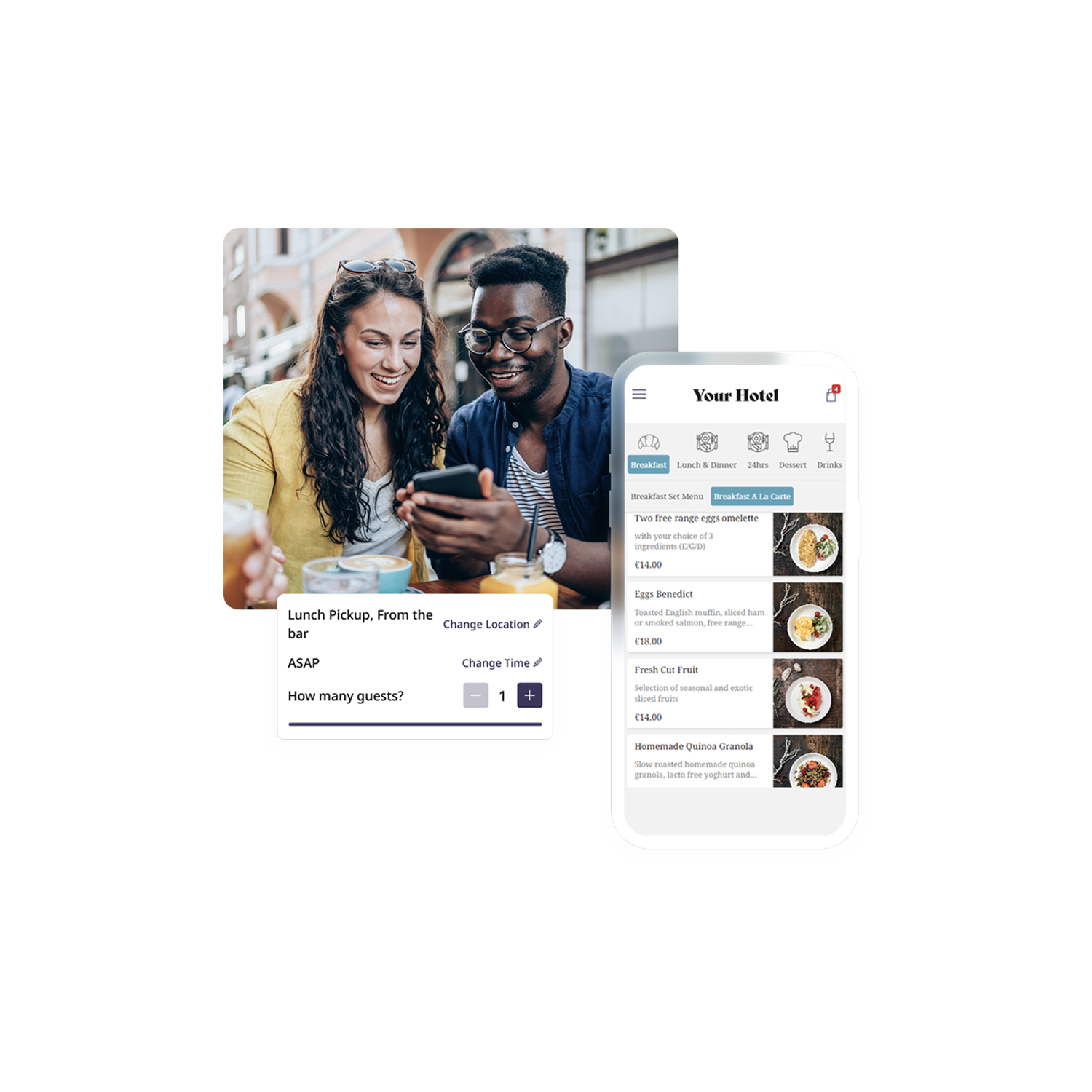
IRIS® Mobile F&B Ordering is designed specifically for hotel and hospitality environments. It supports multi-outlet and multi-property operations, QR code ordering, POS and PMS integrations, scheduled orders, time-slot controls, multilingual menus, payments, upselling and operational reporting. Guests can access the experience through their browser without downloading an app.
Do not wait for the deadline
The reported GloriaFood closure date may be months away, but hotel technology projects rarely become easier when they are delayed.
Properties that start now have time to evaluate their requirements properly, involve operational teams, test integrations and introduce a replacement without placing unnecessary pressure on staff or guests.
The aim should not be to reproduce yesterday’s ordering experience on another platform. It should be to put in place a more connected, scalable and commercially effective F&B operation.
Explore how IRIS® Mobile F&B Ordering can help your hotel simplify operations, increase guest spend and deliver seamless ordering across every outlet.
Frequently asked questions
-
Several hotel restaurant technology providers report that GloriaFood customers and partners have been informed that the platform will be retired on 30 April 2027. However, Oracle’s publicly available GloriaFood acquisition page does not currently include this closure date. Operators should check direct account notifications, emails and contractual communications from GloriaFood or Oracle.
-
Planning should begin as soon as possible. Hotels should aim to complete their migration well before the reported closure date, allowing sufficient time for integration work, menu configuration, testing, staff training and updates to guest-facing links and QR codes.
-
Hotels should retain copies of menus, prices, descriptions, images, modifiers, allergen details, opening hours, delivery settings, promotions and available reports. Any personal or customer data should only be transferred where the hotel has the necessary legal and contractual authority.
-
IRIS Mobile F&B Ordering can provide a replacement ordering experience for hotels, resorts and other hospitality operations. It is particularly suited to businesses that require multi-outlet ordering, hotel system integrations, centralised management and ordering across locations such as rooms, restaurants, pools, bars and spas. The
-
No. Guests can scan a QR code or follow a link to browse menus, place orders and make payments through the browser on their own device.
-
IRIS supports integrations with leading hotel POS and PMS platforms, allowing orders and menu information to move more efficiently between systems. Integration availability and scope should be confirmed for the hotel’s specific technology setup.
